Category: Chlor-Alkali Industry · Market & Technology Insights
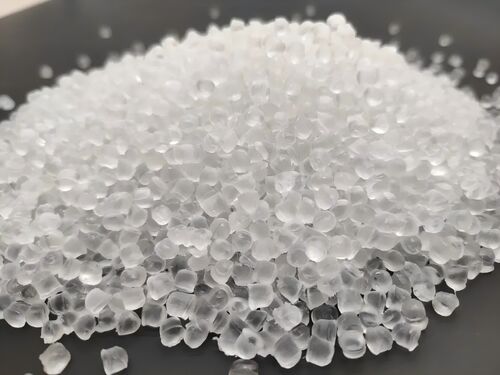
Following the 2026 Spring Festival holiday, China’s polyvinyl chloride (PVC) export market has experienced a downward trend, driven by intertwined factors across cost, supply, and demand sectors. As a key segment of the global chlor-alkali industry, PVC export dynamics not only reflect short-term market fluctuations but also signal strategic adjustments for enterprises amid industry transformation. This analysis deciphers the core drivers behind the current market trend and offers actionable insights for industry participants.
1. Cost Side: Weakened Calcium Carbide Prices Loosen Cost Support
Calcium carbide, accounting for approximately 70% of the production cost of calcium carbide-based PVC (the dominant production route in China, with a 70% capacity share) , has seen declining prices post-holiday. This weakening cost foundation has reduced the profit margin of PVC manufacturers, prompting increased willingness to cut prices for shipments to maintain cash flow. Unlike ethylene-based PVC, which relies on crude oil-derived feedstocks, calcium carbide-based PVC’s cost structure is highly sensitive to fluctuations in calcium carbide and electricity prices—making it particularly vulnerable to raw material market volatility .
2. Supply Side: High Inventory Pressures Amid Slow Downstream Resumption
China’s PVC supply has remained at an elevated level, supported by stable operating rates of chlor-alkali plants. However, the downstream manufacturing sector (including construction, packaging, and pipe production) has witnessed a slow resumption of production after the holiday. This mismatch between supply and demand has led to significant accumulation of social inventory, forcing enterprises to prioritize destocking. For chlor-alkali producers, PVC serves as a critical “chlorine sink” to balance caustic soda production (a core profit driver), creating inherent pressure to maintain PVC output even amid market softness .
3. Demand Side: Rational Procurement from Overseas Buyers
Overseas downstream demand, particularly from key markets such as India and Southeast Asia, has not yet fully recovered post-holiday. Buyers in these regions have adopted a more rational procurement strategy, with reduced urgency for large-volume orders. This cautious approach, combined with global market competition from ethylene-based PVC producers (dominant in Europe and the US), has further weakened China’s PVC export order intake. The current demand lull coincides with the lead-up to China’s April 1 VAT rebate cancellation for PVC exports, adding uncertainty to long-term procurement decisions .
Industry Insights for Sustainable Operations
Against the backdrop of current market challenges, PVC enterprises are focusing on three key strategies:
-
Cost Optimization: Leveraging efficient production technologies (e.g., advanced graphite equipment for chlorine handling ) and integrated calcium carbide-PVC facilities to mitigate raw material price risks.
-
Inventory Management: Adopting flexible pricing mechanisms and strengthening cooperation with downstream clients to accelerate destocking while maintaining long-term partnerships.
-
Market Diversification: Exploring high-value-added PVC applications and emerging markets to reduce reliance on traditional export destinations, aligning with the industry’s shift toward quality-driven growth under China’s 15th Five-Year Plan .
Conclusion
The current softening of China’s PVC export market is a composite result of short-term seasonal factors and long-term industry restructuring. As the global chlor-alkali industry evolves toward low-carbon and high-efficiency development, enterprises must navigate cost volatility, supply-demand imbalances, and policy adjustments (such as the upcoming VAT rebate cancellation ) with targeted strategies. By integrating technological upgrades, market insights, and sustainable practices, China’s PVC sector can transform short-term challenges into opportunities for long-term competitiveness in the global market.
Keywords: #PVCExport #ChlorAlkaliIndustry #MarketTrends #CalciumCarbidePVC #SupplyDemandDynamics #ChlorineAlkaliBalance